
Benefits of Food Processing
There is no good reason that people should be denied access to safe, nutritional foods that many of us take for granted.
Educate Tanzania is eager to complete the food processing facility in Kargwe, Tanzania. Why? Food processing delivers many benefits that are vital to how most people feed their families in our current culture. The advantages of food processing have also contributed to our world’s growing global food security. Let’s take a look.
Food Safety: Simple processes such as cooking to adequate temperatures, and more technical processes such as pasteurization and sterilization eliminate harmful pathogens and reduce the risk of foodborne illnesses. Foodborne illnesses skyrocket without food processing. Harmful pathogens like Salmonella, E. coli, Listeria, Campylobacter among many others can be conveyed easily through raw milk, undercooked poultry, and raw eggs to name a few. People in developed countries often take food safety for granted and dismiss the critical role of food processing in their daily lives. Food safety is critically important in Karagwe as the 1.5 million people seek ways to improve food security and community health.
Extended Shelf Life: Processing techniques such as bottling, canning, drying and freezing reduce microbial growth and ultimate food spoilage. These processes extend the time the food can be used safely, which allows food to be transported over greater distances and stored for greater amounts of time. Extended shelf life for foods translates into accessibility for a greater number of people in broader areas than if foods must be consumed immediately. Imagine the improved lifestyles for people who currently walk their crops to market and must sell in a matter of days or the food rots. The people of Karagwe envision a new tomorrow where food is available year-round because of food processing.
Nutritional Enhancement: Enriched and fortified foods help prevent nutritional deficiencies such as rickets (Vitamin D), goiter (iodine, Vitamin A), and beriberi (Vitamin B1, thiamine) to mention a few. Enriched foods are those that have nutrients replaced that were lost during processing. Fortified foods are those that have extra nutrients added in order to improve general community health. The University of Minnesota conducted research in Karagwe and noted that one community reported no standard means of protein sources (i.e.) meat, beans, milk. It is not difficult to see the critical need for nutritional enhancements and diet adjustments in this community.
Reduced Waste: Analysis of waste streams at a food processing plant leads to improved utilization of by-products. A couple of examples are alternative proteins, and fruit flour made from waste peels, seed, stems, pulp and pomace of fruits. In addition, the reduction of the overall food waste is remarkable when farmers have a food processing plant to bring their crops to instead of to an overburdened market where much of the unpurchased harvest rots.
Convenience: Developed countries often have access to ready-to-eat products that are available to eat immediately without preparation. They are often pre-washed, pre-cut, mixed, pre-seasoned, etc. These products save the consumer time and effort and are often more expensive to purchase. Karagwe, Tanzania is probably a long way from this time of convenience with a broad range of foods, but the possibility increases with each step toward value-added products processed at Project FURSA.
AVOIDING ULTRA-PROCESSED FOODS
Over-processed foods are often full of added sugars, saturated fats, artificial flavors and colors, chemical additives and sodium. Because overconsumption of ultra-processed foods can lead to various health issues such as weight gain and obesity, diabetes, cardiac issues and cancer, Project FURSA’s business plan is careful to focus on food processing and to avoid ultra-processing. ETI and partners appreciate resistance to the overly simplistic view that all processed foods are ultra-processed.
There is no good reason that people should be denied access to safe, nutritional foods that many of us take for granted.
Final Note: I hope this stays true forever but: I have never been sick during a visit to Karagwe. Our partners, who prepare our meals, are well-educated on food preservation (no refrigeration), preparation (keeping foods separate, and cooking or boiling to adequate temperatures). They have been very trustworthy as they provide meals for our teams. They are also excellent overseers as they monitor the preparation of the ‘gift foods’ given to us. I imagine a day when they do not have to be as vigilant as they are today because they will be able to rely on carefully processed foods. Our partners will benefit greatly from food processing.
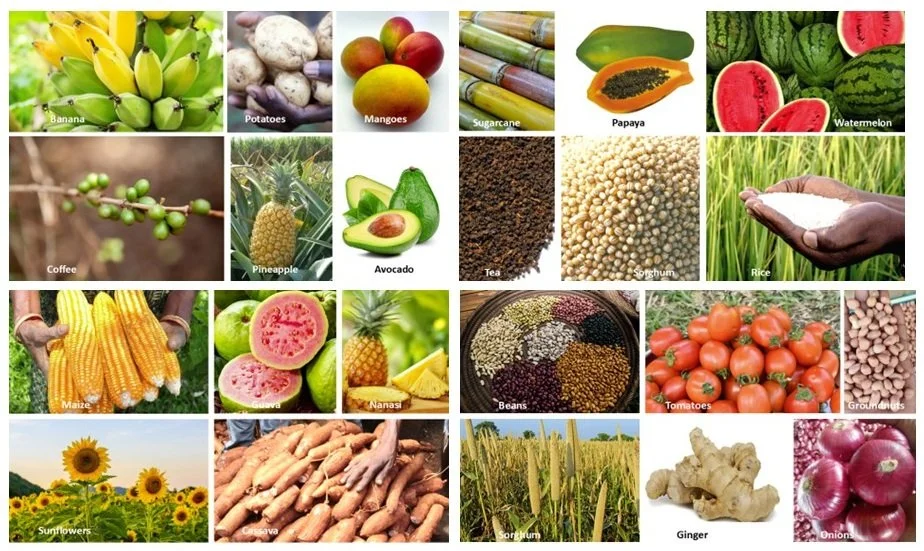
Karagwe’s abundant and robust crops will be processed into value-added products once Project FURSA’s food processing plant is complete. Let’s build! Donate today!
